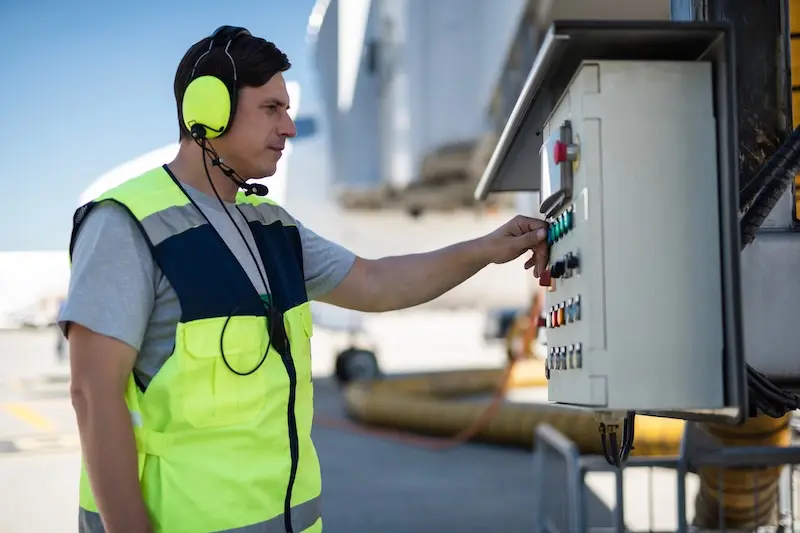
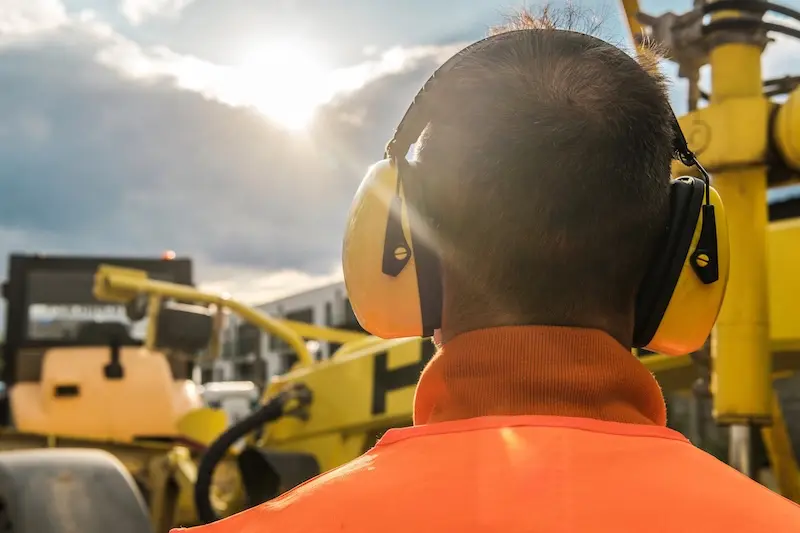
Hearing protection equipment is essential for Irish businesses looking to protect employees from noise-induced hearing loss, a condition that is permanent, cumulative, and easy to overlook until the damage has already been done.
However, choosing the right combination of earplugs, ear defenders, and supporting equipment can be genuinely challenging, particularly for employers managing large teams across noisy, fast-changing working environments.
In this article, we explore everything employers need to know about selecting, sourcing, and maintaining hearing protection equipment for their workforce!
Why hearing protection equipment matters for Irish employers
Noise-induced hearing loss develops gradually, often without any obvious warning signs, which makes it one of the easier occupational risks to underestimate. Once the damage occurs, it cannot be reversed, making prevention the only genuinely effective strategy available to employers.
Hearing protection equipment and your legal duties as an employer
Employer responsibilities around hearing protection equipment are set out in the Safety, Health and Welfare at Work (General Application) Regulations 2007. Under these regulations, the first action level sits at 80 dB(A); once daily noise exposure reaches this threshold, employers must inform affected workers of the risk and make hearing protection available on request.
At 85 dB(A), the upper action level, providing hearing protection equipment becomes mandatory, and the relevant area must be clearly signposted as a hearing protection zone.
As a practical guide, if employees cannot hold a normal conversation at a distance of two metres without raising their voices, noise levels are likely to have reached this point.
Types of hearing protection equipment available
Protection equipment for hearing generally falls into two categories: earplugs and earmuffs, also known as ear defenders. Each offers a different balance of comfort, convenience and attenuation, and the most suitable choice depends on noise levels, shift length, and what other PPE is being worn alongside it.
Two widely used examples include:
- Ear muffs and ear defenders: cushioned ear cups on an adjustable headband, covering the outer ear and quick to fit and remove
- Earplugs: worn inside the ear canal, offering a low-profile option well suited to long shifts, confined spaces, or use alongside other PPE

How to choose the right hearing protection equipment for your team
Selecting suitable ear protection equipment involves more than picking a product off the shelf. Employers need to consider noise levels, comfort, compatibility with existing PPE, and how consistently equipment will actually be worn.
Hearing protection equipment should match your noise levels
Every hearing protector carries an SNR (Single Number Rating), which indicates roughly how many decibels it reduces noise exposure by. A higher SNR does not automatically mean better protection; over-protecting workers can isolate them from important sounds such as alarms, reversing vehicles, or a colleague calling out a warning. The goal should always be sufficient attenuation to bring exposure down to a safe level.
Hearing protection equipment sold in Ireland and the UK should carry CE or UKCA marking alongside the relevant EN 352 standard. Ear defenders are covered under EN 352-1, earplugs under EN 352-2, and helmet-mounted defenders under EN 352-3. These markings confirm the product has been tested for attenuation, durability, and build quality, and are well worth checking before committing to any bulk order.
Hearing protection equipment must fit properly to be effective
Even the best-rated hearing protection equipment only works while it’s being worn correctly, and fit has a greater influence on that than many buyers expect. A poorly inserted earplug can leave a gap that allows sound through with almost no meaningful reduction, regardless of its stated SNR. Comfort matters just as much: equipment that pinches, overheats, or interferes with other PPE tends to get pushed up, removed, or swapped for something unapproved.
Employers should watch for the usual signs that equipment needs replacing, including stretched or loose headbands, hardened or cracked foam, and cushions that no longer form a proper seal. Offering employees a choice between two or three suitable options, rather than issuing one standard type across the board, consistently improves how reliably it gets worn.
Practical buying considerations for hearing protection equipment
- Compatibility with other PPE: Earmuffs need to sit properly alongside hard hats and safety glasses without breaking the seal. Where protectors are sourced separately from helmets, it’s worth checking they’ve been tested together as a combination
- A choice of protection types: Ear shape and job role vary considerably, so a single product rarely suits an entire workforce
- Signage and hearing protection zones: Areas at or above 85 dB(A) should be clearly marked, with protection worn on entry regardless of how long someone is there for
- Replacement planning: Building replacement stock into a regular ordering schedule helps avoid gaps in protection while new supply is awaited
Ark Safety is your provider of reliable hearing protection equipment
Choosing the best hearing protection equipment is about protecting your workforce for the long term, not simply meeting a minimum legal requirement.
At Ark Safety, we supply a wide range of hearing protection equipment from leading manufacturers, all at competitive prices. Whether your team needs ear defenders for a construction site or earplugs for all-day wear in a manufacturing facility, our experienced team can help match the right product to your specific noise levels and working conditions.
Why businesses across Ireland choose us:
- Wide range of quality hearing protection equipment and PPE
- Competitive pricing designed for genuine value
- 95% stock availability on stocked items
- Orders before 4pm dispatched for next-day delivery
- Personalised expert guidance and customer support
From construction and manufacturing to engineering, logistics, and facilities management, we deliver reliable, compliant hearing protection solutions backed by expert knowledge and fast service.
Get in touch with our team today and discover why businesses across Ireland trust us to help them work safely with confidence!
Hearing protection equipment FAQs
Q: How do I know if my workplace needs hearing protection equipment?
A: If employees can’t hold a normal conversation at a distance of two metres without raising their voices, noise levels are likely above 80 dB(A) and worth assessing formally.
Q: What’s the difference between earplugs and ear defenders?
A: Earplugs sit inside the ear canal and suit long shifts or confined spaces, while ear defenders (earmuffs) cover the outer ear and are quicker to fit and remove throughout the day.
Q: What standards should hearing protection equipment meet?
A: Look for CE or UKCA marking alongside the relevant EN 352 standard: EN 352-1 for ear defenders, EN 352-2 for earplugs, and EN 352-3 for helmet-mounted defenders.
Q: When is hearing protection equipment legally required in Ireland?
A: Under the Safety, Health and Welfare at Work (General Application) Regulations 2007, hearing protection must be made available at 80 dB(A) and becomes mandatory at 85 dB(A).
Q: How often should hearing protection equipment be replaced?
A: Replace equipment when headbands become stretched or loose, foam hardens or cracks, or cushions no longer form a proper seal against the ear.
Q: Can hearing protection equipment be worn alongside other PPE?
A: Yes, but compatibility should always be checked. Earmuffs need to sit properly with hard hats and safety glasses, and combined systems should be tested together where possible.
Q: Does Ark Safety supply hearing protection for construction and manufacturing sites?
A: Yes. We supply ear muffs, ear defenders, and ear plugs suited to a wide range of noise levels and working environments, with expert guidance to help you choose the right option.