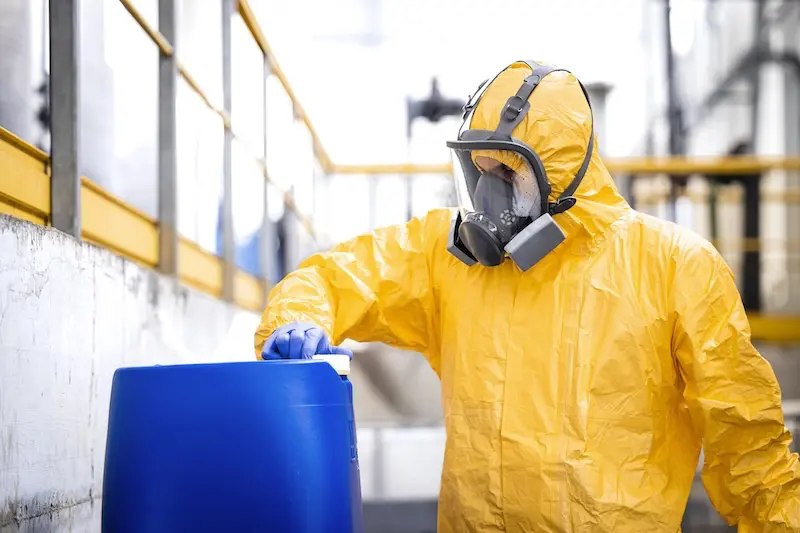
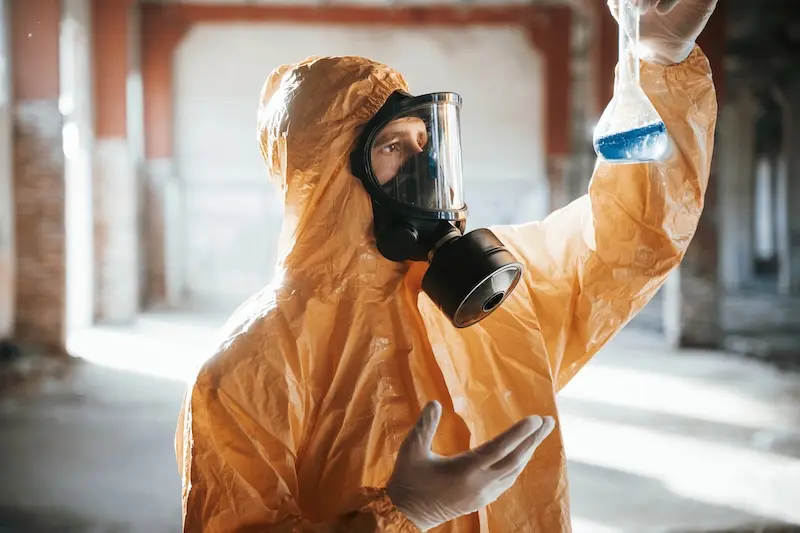
Choosing the best Respiratory Protective Equipment (RPE) is essential to protecting workers from airborne hazards such as dust, fumes, gases and vapours in workplaces across Ireland.
However, RPE spans a wide range of options, from simple filtering facepieces to full-face and powered systems, and no single type suits every hazard, task or wearer. Selecting the wrong equipment can leave real gaps in protection, even where the product itself is properly certified.
In this article, we explore how to choose the best Respiratory Protective Equipment for your workplace, covering hazard identification, equipment types, fit considerations and the compliance obligations that apply to Irish employers.
Why choosing the best Respiratory Protective Equipment matters
Respiratory Protective Equipment is used when other controls cannot sufficiently reduce exposure on their own; it’s often relied upon in precisely the situations where getting it wrong carries the most serious consequences.
Choosing unsuitable RPE can leave workers exposed to hazardous dusts, fumes, gases or vapours, while creating a false sense of security. Under the Safety, Health and Welfare at Work (General Application) Regulations 2007, employers have a legal duty to assess respiratory risks and provide RPE properly matched to those risks, making the best Respiratory Protective Equipment both a safety priority and a compliance requirement.
Identifying respiratory hazards in your workplace
Before any equipment can be selected, employers need a clear understanding of the respiratory hazards present, since the nature of the hazard determines which type of protection is appropriate.
Particulate hazards: dust, fumes and mist
Solid or liquid particles suspended in the air, common in construction, manufacturing and food processing, typically require a particulate filter matched to the size and concentration of the contaminant.
Gas and vapour hazards
Chemical vapours and other gaseous hazards are common in pharmaceutical, oil and gas, and industrial settings. Crucially, a particulate filter will not protect against gas or vapour, and a gas filter will not protect against particulates, so employers must identify precisely which hazard type their workers face.
Oxygen-deficient and confined space environments
In oxygen-deficient atmospheres or confined spaces, filtering RPE is not appropriate at all, regardless of filter rating. These environments require supplied-air breathing apparatus and specialist advice before workers enter.

Choosing the best Respiratory Protective Equipment: filtering RPE vs powered RPE
Once the hazard has been identified, employers can narrow down the best RPE for the task, based on whether filtering or powered protection is more appropriate.
The best Respiratory Protective Equipment for particulate hazards
Filtering facepiece respirators are classified as FFP1, FFP2 or FFP3 under EN 149. FFP1 suits nuisance dusts, FFP2 offers moderate protection, and FFP3 offers the highest filtration among disposable respirators.
The best Respiratory Protective Equipment for gas and vapour hazards
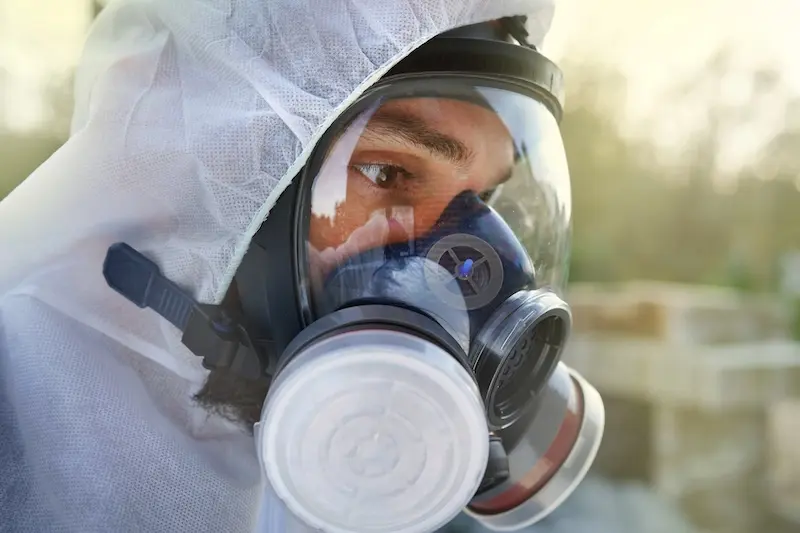
Reusable respirators with interchangeable cartridges or filters, certified to standards such as EN 140, are commonly used for gas or vapour protection. Full-face respirators offer a higher assigned protection factor than half-face equivalents, which are often preferred where compatibility with glasses or other head-worn PPE matters.
Powered air-purifying respirators for demanding environments
Powered respirators use a motorised fan to draw air through a filter, reducing breathing resistance and improving comfort during long shifts. They also suit workers who cannot achieve a tight facepiece seal, since some powered systems use a loose-fitting hood or visor instead.
Matching the best Respiratory Protective Equipment to the wearer, task and environment
Selecting the best RPE for the hazard is only part of the process. Equipment must also suit the individual wearer, the task and the environment in which it will be used.
Face fit testing and the best RPE fit
Tight-fitting facepieces rely on a proper seal, so face fit testing is essential to confirm the equipment fits correctly. Facial hair is a common cause of fit failure, and fit should be re-tested if a wearer’s features or the RPE model change.
Comfort and compatibility with other PPE
RPE is often worn alongside hard hats, eyewear and hearing protection, so compatibility matters. Certain medical conditions may also affect suitability, and specialist advice should be sought where this is a concern.
Task duration and working environment
Longer shifts and demanding tasks generally favour more comfortable, higher-specification equipment, such as reusable or powered respirators, over basic disposables. Heat, humidity and wearer numbers on site should also inform the final selection.
Standards, compliance and maintenance for RPE in Ireland
RPE sold in Ireland must meet relevant EN standards and carry a CE mark, with filtering facepieces certified to EN 149 and half masks to EN 140, among other product-specific standards.
Irish employers have specific obligations under the Safety, Health and Welfare at Work (General Application) Regulations 2007, and the Health and Safety Authority provides detailed guidance on selecting RPE appropriate to the hazard, wearer, task and environment. RPE requires a notably high degree of ongoing inspection and maintenance compared with many other PPE categories, and employers are responsible for ensuring equipment is properly stored, inspected and maintained, with filters replaced and records kept as required.
Source the best Respiratory Protective Equipment from Ark Safety
Choose RPE that has been properly matched to your workplace hazards, your workforce and your compliance obligations, backed by expert guidance from Ark Safety.
We supply a comprehensive range of Respiratory Protective Equipment, including:
- Face masks across fold-flat, full-face, half-face, surgical and washable styles
- Respirator filters for both particulate and gas/vapour protection
- Powered air respirator systems, including the 3M Versaflo TR-602E powered air turbo unit
Our RPE range is supplied by leading manufacturers, including:
- 3M
- Alpha Solway
- Caramba
- Delta Plus
- JSP
- Scott
- Stara
Why businesses across Ireland choose us:
- Expert product knowledge across every category of Respiratory Protective Equipment
- 95% stock availability on stocked items
- Next-day dispatch on orders placed before 4pm
- Competitive pricing without compromising on quality
- Personalised service from an experienced team
From construction and manufacturing to pharmaceutical, food production and facilities management, we help businesses across every sector source the best RPE for their teams. Contact us today to discuss your requirements or request tailored advice!
The best Respiratory Protective Equipment FAQs
Q: What is the difference between RPE and a standard surgical or dust mask?
A: RPE is designed to filter or supply air to protect the wearer from inhaling hazardous substances, and must meet specific EN standards to do so. A standard surgical mask is designed to reduce the spread of droplets from the wearer to others, rather than to protect the wearer from airborne hazards, and is not considered RPE.
Q: What do FFP1, FFP2 and FFP3 ratings mean?
A: FFP1, FFP2 and FFP3 are filtration efficiency classes for filtering facepiece respirators certified to EN 149. FFP1 offers the lowest level of filtration, suited to nuisance dusts, while FFP3 offers the highest level of filtration among disposable respirators and is used for finer or more hazardous particulates.
Q: How do I choose the best Respiratory Protective Equipment for my workplace?
A: Choosing the best RPE starts with identifying the specific respiratory hazards present, including whether they are particulate, gas, vapour or a combination. Equipment must then be matched to the wearer, the task and the working environment, with face fit testing carried out for any tight-fitting facepiece.
Q: Is face fit testing a legal requirement in Ireland?
A: Employers have a duty under the Safety, Health and Welfare at Work (General Application) Regulations 2007 to provide RPE that is suitable for the wearer. Face fit testing is a widely recognised and expected part of meeting this duty for any tight-fitting RPE, since an unsealed facepiece cannot provide the intended level of protection.
Q: How often should RPE filters or masks be replaced?
A: Replacement intervals depend on the specific product, the level of use and the manufacturer’s guidance, so filters and masks should always be inspected and replaced in line with the manufacturer’s instructions. Disposable respirators are single-use, while filters on reusable respirators should be replaced according to usage, contamination and the manufacturer’s stated service life.
Q: Which industries need Respiratory Protective Equipment the most?
A: Respiratory Protective Equipment is essential in industries such as construction, manufacturing, oil and gas, pharmaceutical and life sciences, food production and facilities management, wherever workers may be exposed to dust, fumes, gases or vapours.
Q: What Respiratory Protective Equipment does Ark Safety supply?
A: We supply a comprehensive range of RPE, including face masks across fold-flat, full-face, half-face, surgical and washable styles, respirator filters for both particulate and gas/vapour protection, and powered air respirator systems, including the 3M Versaflo TR-602E, from leading brands such as 3M, Alpha Solway, Caramba, Delta Plus, JSP, Scott and Stara.