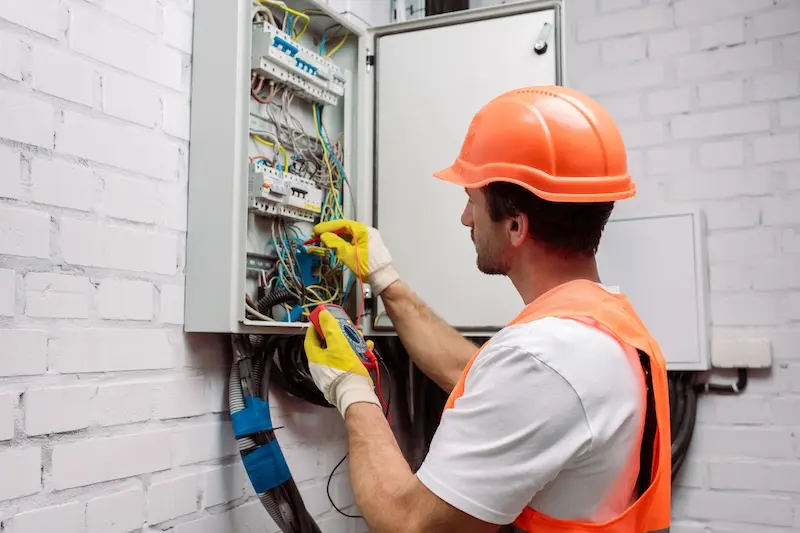
Safety wear for electricians is one of the most important investments any electrical business, contractor or tradesperson can make, given the sheer range of hazards electrical workers encounter in a single working day, from live circuits and arc flash risk to falls, cuts and noise exposure.
However, with so many hazards to plan for and so many product categories to choose from, it can be difficult for employers and procurement teams to know exactly where to allocate their PPE budget and attention first.
In this article, we explore what to prioritise when choosing safety wear for electricians, covering the hazards that matter most, the EN standards that govern electrical PPE, and the common mistakes worth avoiding.
Why safety wear for electricians is non-negotiable
Electrical safety wear exists to manage a hazard profile that is genuinely broader than most other trades face, which is precisely why prioritisation matters so much when sourcing it.
Electricians are regularly exposed to:
- Electric shock from contact with live conductors or faulty equipment
- Arc flash and arc blast, where a sudden release of electrical energy can cause severe burns, pressure waves and molten metal projection
- Burns from both electrical and thermal sources
- Falls from height during installation and maintenance work
- Cuts and lacerations from tools, cable and sharp fittings
- Noise exposure in certain industrial, utility and plant environments
Each of these hazards calls for a different category of protection, which is why a one-size-fits-all approach to safety wear for electricians rarely holds up in practice.
What Irish law requires for safety wear for electricians
In Ireland, Part 3 of the Safety, Health and Welfare at Work (General Application) Regulations 2007 (S.I. No. 299 of 2007), covering Regulations 74 to 93, sets out the specific precautions employers must take around the use of electricity in the workplace.
Alongside this, employers carry a general duty under Irish health and safety law to provide suitable PPE to employees at no cost, based on a proper assessment of workplace risk. For any business employing or contracting electricians, understanding these obligations is the starting point for building a compliant and genuinely protective safety wear programme, rather than treating PPE procurement as an afterthought.
What to prioritise when choosing safety wear for electricians
Once the hazards and legal obligations are clear, the next step is working out which categories of safety wear for electricians deserve priority, and in what order.
Arc-rated and flame-resistant clothing
Arc-rated clothing, tested and certified under EN IEC 61482-2, protects the torso and limbs against the thermal hazards of an electric arc, including severe burns and the risk of synthetic fabrics igniting or melting onto the skin. This clothing should be treated as one part of a wider system rather than a standalone solution, since it does not, on its own, protect the eyes, face, hands or feet.
Insulated gloves and hand protection
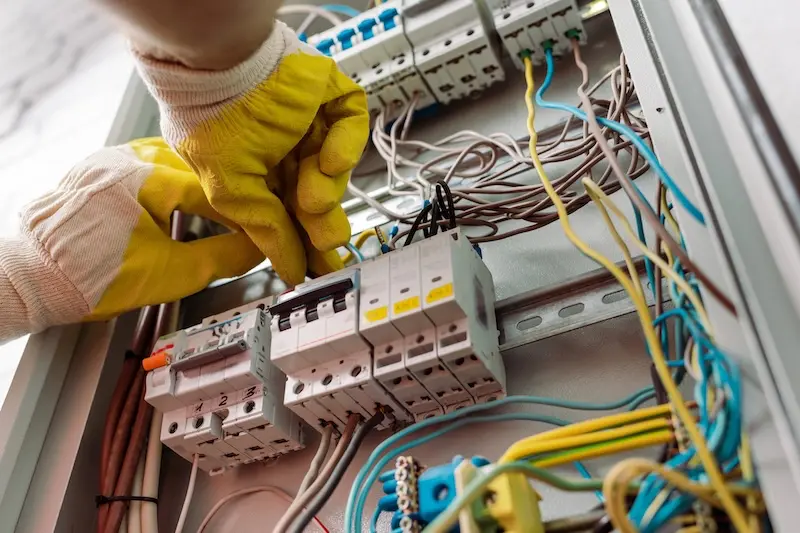
Insulated, voltage-rated gloves should sit right at the top of the priority list for any electrician working on or near live parts. These gloves are governed by EN 60903, the European standard covering electrical insulating gloves used in live working, and should always be worn with a leather over-glove to protect the rubber insulation layer from cuts, abrasion and punctures.
Hands are the point of contact for the vast majority of electrical tasks, which makes this category of safety wear for electricians one of the most consequential decisions in the entire kit.

Head, face and eye protection
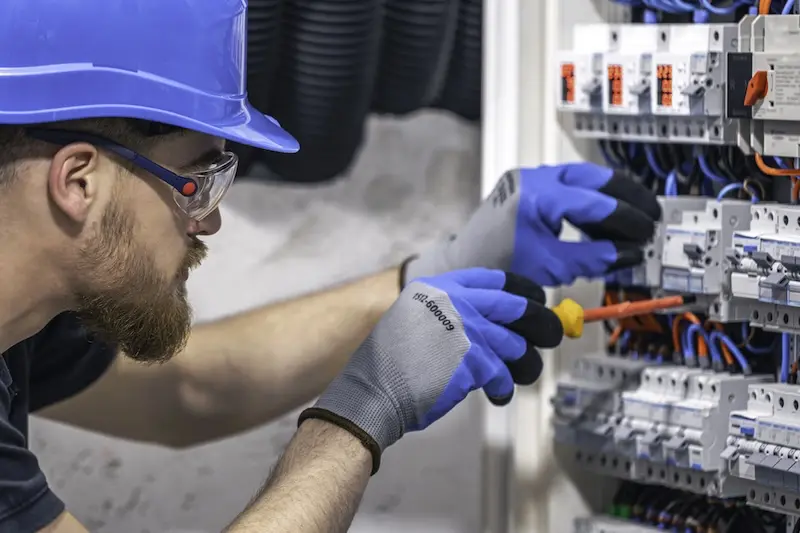
Non-conductive head protection, combined with an arc-rated face shield worn over safety glasses rather than instead of them, forms an important layer of protection against impact, flying debris and arc flash exposure to the face and eyes. Layering safety glasses beneath a face shield ensures the eyes stay protected even if the shield is lifted or removed during a task.
Electrically insulating footwear
Electrically insulating footwear, certified to EN 50321-1, is designed specifically for live working and differs from standard safety footwear. Businesses sourcing safety footwear for electricians working on or near live installations should confirm the correct insulation rating for the voltages involved, rather than assuming standard safety boots offer equivalent protection.
Hearing protection & hi-vis
Not every electrician needs identical kit for every job. Hearing protection becomes important in high-noise industrial, utility or plant environments, while hi-vis clothing plays a valuable supporting role for electricians working outdoors, near traffic, or in low-light conditions. Hi-vis is not a substitute for arc-rated or insulating PPE, but it should be layered over arc-rated clothing where both hazards are present.
EN standards to look for in safety wear for electricians
Understanding the standards behind a product is one of the most practical ways to prioritise safety wear for electricians with confidence, rather than relying on product descriptions alone.
- EN 60903 – insulating gloves for live working
- EN IEC 61482-2 – protective clothing against the thermal hazards of an electric arc
- EN 50365 – electrically insulating helmets for live working on low and medium voltage installations
- EN 50321-1 – insulating footwear and overboots for live working
Checking for the correct EN marking, alongside CE or UKCA certification, helps ensure that safety wear for electricians performs as expected when it matters most.
Common mistakes when sourcing safety wear for electricians
Even well-intentioned procurement decisions can leave gaps in protection. Common mistakes include:
- Treating standard workwear or hi-vis as sufficient protection without checking for underlying arc or voltage ratings
- Buying insulating rubber gloves without the leather over-glove they are designed to be used alongside
- Over-specifying PPE for low-risk tasks, which can increase heat stress and reduce comfort without adding meaningful protection
- Failing to build periodic inspection and retesting of insulating gloves and footwear into a routine maintenance schedule
Avoiding these mistakes helps ensure that safety wear for electricians remains both compliant and practical for day-to-day use.
Ark Safety is your trusted supplier of safety wear for electricians
At Ark Safety, we supply a comprehensive range of safety wear for electricians and other high-risk trades, including safety gloves, safety footwear, head protection, safety eyewear, hearing protection, flame-resistant workwear and hi-vis clothing.
Our team can help businesses match the right products to the specific voltages, tasks and site conditions their electricians face, ensuring protection is never left to guesswork.
Why electrical businesses, procurement specialists, contractors and tradespeople across Ireland choose us:
- Comprehensive range of PPE and safety wear under one roof
- 95% stock availability on stocked items
- Next-day dispatch on orders placed before 4pm
- Expert product and regulatory knowledge
- Personalised, experienced customer service
From construction and utilities to manufacturing and facilities management, businesses across Ireland trust Ark Safety to supply reliable, compliant safety wear for their teams.
Get in touch with us today to source the right safety wear for your electricians.
Safety wear for electricians FAQs
Q: What is the most important safety wear for electricians?
A: Insulated, voltage-rated gloves certified to EN 60903 are generally the most critical item, since hands are the primary point of contact for most electrical tasks. These should always be paired with a leather over-glove for mechanical protection.
Q: Do electricians need arc flash protection for every job?
A: Not necessarily. Arc flash PPE is required when working on or near energised equipment where an arc flash risk exists. The level of protection needed depends on the specific task and the equipment involved.
Q: What EN standard applies to insulating gloves for electricians?
A: Insulating gloves for electricians are governed by EN 60903, the European standard covering electrical insulating gloves used in live working.
Q: Why do electricians wear leather gloves over rubber insulating gloves?
A: Rubber insulating gloves provide electrical insulation, while leather over-gloves protect that insulation layer from cuts, abrasion and punctures. Both are needed for the gloves to perform as intended.
Q: How often should electrical safety wear be inspected or retested?
A: Insulating gloves and footwear should be inspected before every use and retested periodically in line with the manufacturer’s guidance, since even minor damage can compromise their protective performance.
Q: Is hi-vis clothing required for electricians?
A: Hi-vis is not a substitute for arc-rated or insulating PPE, but it plays an important supporting role for electricians working outdoors, near traffic, or in low-light conditions, and should be layered over arc-rated clothing where needed.
Q: Why do businesses across Ireland choose Ark Safety for electrical safety wear?
A: We combine a comprehensive PPE product range, strong stock availability, fast dispatch and expert regulatory knowledge with a personalised service, helping businesses source reliable safety wear for their electricians with confidence.