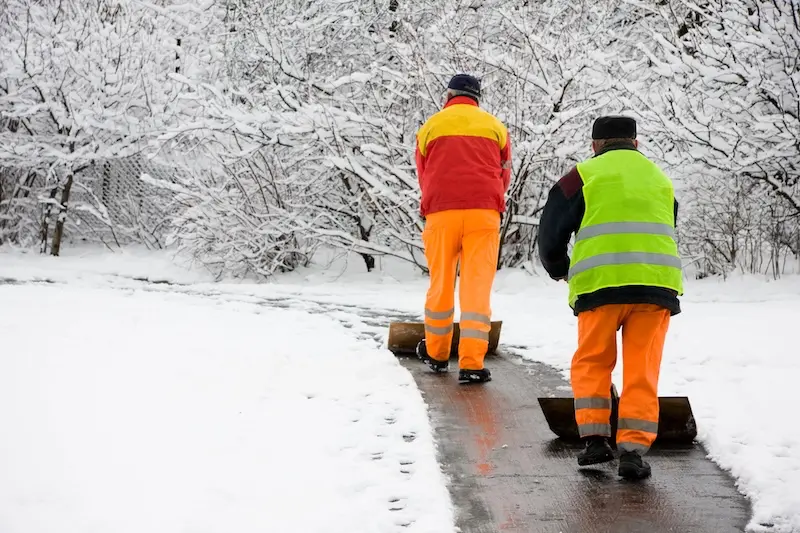
When winter sets in, employers have a duty to protect their teams from the risks that come with working in harsh, cold environments. Choosing the right safety wear for cold weather is essential, not just for comfort, but for maintaining productivity, mobility, and health on the job. From cold stress and reduced dexterity to long-term exposure hazards, the right gear can make all the difference.
This article explores how to assess your team’s needs, select the most effective gear, and adopt a layered approach to cold-weather protection, so you can keep them warm, visible, and safe throughout the coldest months.
Why employers must take cold‑weather gear seriously
Cold weather presents serious health risks for employees, including frostbite, hypothermia, and cold stress. These risks not only endanger health but can also significantly impact a worker’s ability to perform tasks safely and effectively. Reduced dexterity caused by low temperatures increases the chance of accidents, making the need for appropriate winter clothing essential.
When workers are inadequately dressed for the cold, discomfort becomes a distraction, reducing focus and increasing the likelihood of errors or injuries. Over time, this can also lead to higher rates of absenteeism due to cold-related illnesses, creating operational disruptions and productivity losses.
Beyond safety, there’s a clear legal and ethical obligation to provide suitable winter gear. Many industries are governed by regulations that mandate appropriate protective clothing for employees. Meeting these obligations not only ensures compliance but also demonstrates a commitment to employee well-being, something that directly influences morale and job satisfaction.
The layered approach to safety wear for cold weather
To manage cold conditions effectively, a layered approach to safety wear is essential. This system involves three distinct layers – base, mid, and outer – each with a specific function designed to keep workers warm, dry, and mobile.
- The base layer sits closest to the skin and manages moisture. Avoid cotton; go for breathable, sweat-wicking fabrics to stay warm and dry.
- The mid-layer provides insulation without bulk. Fleece or similar materials help trap heat while allowing flexibility and movement.
- The outer layer protects against wind, rain, and snow. Choose a waterproof, windproof jacket with hi-vis features for safety in low-light conditions.
Layering allows workers to adjust their clothing throughout the day as tasks or weather conditions change. This adaptability is key to preventing overheating, maintaining breathability, and ensuring long-lasting comfort in cold weather.

Head-to-toe checklist: Key gear for cold conditions
A reliable cold-weather PPE kit should protect the entire body, keeping workers warm, visible, and safe during harsh winter shifts. Here’s what to prioritise:
Hands: Thermal Gloves
- Cut-resistant and insulated to retain dexterity in freezing conditions
- Ideal for outdoor assembly, fabrication, and handling sharp materials
Feet: Insulated, Anti-Slip Footwear
- Prevents slips on icy, wet, or oily surfaces
- Keeps feet warm in unheated sites or outdoor workspaces
- Tip: Dunlop boots offer a budget-friendly, waterproof option for non-safety needs
Respiratory Protective Equipment (RPE)
- Cold-climate RPE fits comfortably with layered gear
- Filters airborne particles and fumes in low temperatures
- Ensures breathability and protection during winter work
Visibility: Hi-Vis Thermal Clothing
- Essential in fog, snow, or low-light conditions
- Combines warmth with visibility for roadside or traffic-adjacent tasks
Head Protection
- Insulated helmets with thermal liners prevent heat loss and injury
- Anti-fog eye protection shields against wind, glare, grit, and sudden temperature changes
The best practices for managing your cold‑weather workwear
Effective cold-weather workwear programmes begin with a detailed hazard assessment. This means:
- Conducting thorough site inspections to identify temperature-related risks
- Noting whether tasks are performed indoors, outdoors, or both
- Taking environmental factors like wind chill and humidity into account
Training workers to recognise signs of cold stress and frostbite is also essential. They should understand how to layer clothing properly, respond to sudden drops in temperature, and stay updated on daily weather forecasts. Well-informed staff are better equipped to protect themselves in extreme conditions.
Routine gear maintenance is crucial. Check for waterproofing failures, worn insulation, or damage to reflective surfaces. Timely replacements help maintain performance and extend the lifespan of your cold-weather PPE. Additionally, employers should schedule regular warm-up breaks, provide heated rest areas, and rotate tasks to limit prolonged exposure to the elements.
Budgeting for winter gear requires planning. Opt for task-specific gear rather than one-size-fits-all solutions to maximise cost efficiency. When comparing suppliers, check whether pricing is VAT-inclusive to avoid budgeting surprises. Procurement should balance durability, safety standards, and comfort without compromising worker protection.
Ark Safety is your trusted provider of cold‑weather safety workwear
When cold weather hits, don’t leave your team exposed to risk, delays, or discomfort. Ark Safety delivers everything you need to keep your workforce warm, visible, and protected, no matter how harsh the conditions. From thermal gloves and anti-slip boots to full-body hi-vis gear, our cold-weather high-quality PPE is built to perform in Ireland’s toughest winter environments.
We supply a full range of cold-weather-ready safety gear, including:
- Head Protection – Insulated helmets and thermal liners for warmth and impact resistance
- Hearing Protection – Earmuffs and earplugs that block noise without compromising winter comfort
- Respiratory Protective Equipment – Masks and filters that work seamlessly with layered clothing in cold air
- Hi-Vis Workwear – Jackets, vests, and boilersuits designed for warmth and visibility in low light
- Safety Eyewear – Anti-fog goggles, visors, and glasses for protection in icy, windy conditions
- Safety Footwear – Waterproof, insulated boots and shoes for grip and warmth on frozen or wet ground
- Safety Gloves – Thermal, cut-resistant gloves for dexterity and protection in freezing environments
As a trusted Irish-owned supplier, we offer 95% stock availability, expert guidance, and next-day dispatch on orders placed before 4 pm. Our knowledgeable team is here to help you choose the right gear for your industry, from construction and pharma to food production and engineering.
Explore our full safety workwear collection today and keep your workforce protected, comfortable, and compliant. When safety matters most, count on us to deliver the gear that performs when the temperature drops.
Get in touch with us today to work warm and work safe!
Safety wear for cold weather FAQs
Q: What is the best type of safety wear for cold weather conditions?
A: We recommend a layered approach: a moisture-wicking base layer, an insulating mid-layer, and a waterproof, windproof outer layer with hi-vis features to keep workers warm, dry, and visible.
Q: Why is layering important in cold-weather safety workwear?
A: Layering gives workers flexibility and protection. It allows them to adapt to changing conditions while staying warm, dry, and mobile throughout the workday.
Q: Which safety gloves are best for cold-weather work?
A: We supply thermal, cut-resistant gloves that retain heat without compromising dexterity; ideal for fabrication, assembly, or any outdoor work in freezing temperatures.
Q: What kind of safety boots are recommended for icy or wet environments?
A: Insulated, anti-slip safety footwear keeps feet warm and stable on frozen or oily surfaces. Waterproof options like also provide reliable cold-weather protection.
Q: How does hi-vis workwear help in winter?
A: Our hi-vis thermal clothing ensures workers remain visible in fog, snow, and low-light conditions while also providing critical warmth on outdoor job sites.
Q: Are hard hats suitable for cold weather?
A: Yes; we offer insulated helmets with thermal liners to retain heat and protect against cold-related injuries, plus anti-fog eye protection to shield from wind and glare.
Q: Can respiratory masks be used effectively in cold weather?
A: Absolutely. Our cold-climate Respiratory Protective Equipment fits comfortably with layered clothing and ensures both filtration and breathability in freezing conditions.
Q: What eyewear is best for outdoor winter work?
A: We provide anti-fog goggles, visors, and prescription safety glasses that protect against wind, grit, and temperature fluctuations common in cold-weather environments.
Q: How can employers reduce cold-related risks on-site?
A: We advise conducting hazard assessments, training staff on cold stress, rotating tasks, scheduling warm-up breaks, and ensuring proper cold-weather PPE is always maintained.
Q: Why choose Ark Safety for cold-weather PPE in Ireland?
A: We offer 95% stock availability, expert advice, competitive prices, and next-day dispatch on industry-grade winter workwear designed to protect in Ireland’s harshest conditions.