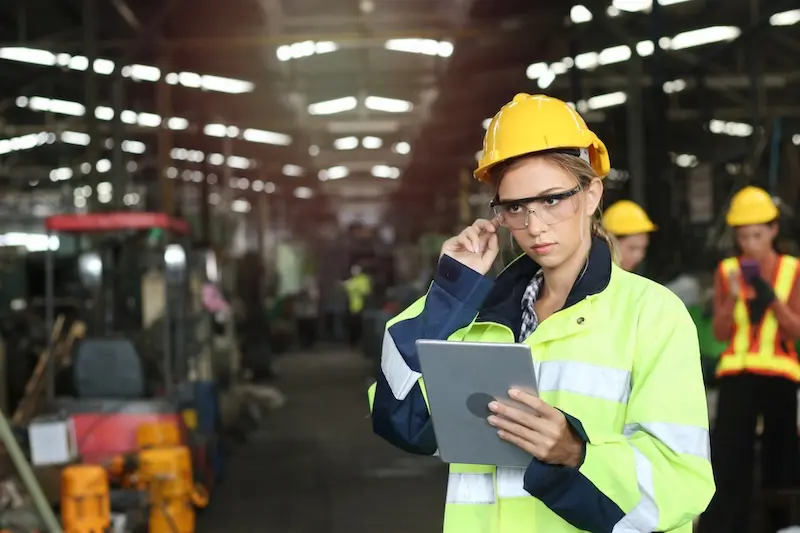
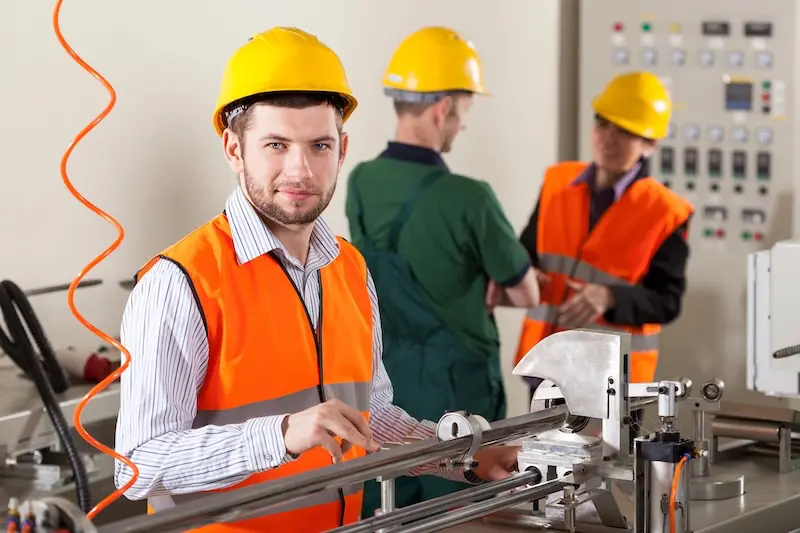
Investing in high-quality hi vis workwear for manufacturing is a strategic decision that directly protects people, productivity, and performance.
In modern manufacturing environments, where heavy machinery, automated systems, and skilled operators work side by side, visibility serves as the first and most effective safeguard against preventable accidents.
As facilities become larger, faster, and more technologically advanced, clearly identifying personnel within busy industrial settings is no longer optional; it is an essential operational standard that underpins both safety and efficiency.
Why hi vis workwear for manufacturing is essential
In a manufacturing setting, the environment is typically a complex landscape of moving machinery, stacked inventory, narrow aisles, and constantly shifting light conditions.
Within this dynamic space, high-visibility clothing acts as a continuous visual safeguard, ensuring workers remain clearly seen by vehicle operators and machine technicians from every angle. It is a critical layer of protection in environments where visibility can mean the difference between routine operations and serious incidents.
Risk factors in manufacturing environments
The risks inherent in manufacturing are varied, ongoing, and often unpredictable. Hi vis workwear for manufacturing directly addresses several persistent hazards:
- Moving Machinery and Vehicles: Forklifts, reach trucks, and automated guided vehicles (AGVs) are essential to plant-floor operations. However, operators frequently contend with restricted sightlines due to stock, shelving, or equipment. Hi vis garments create immediate visual contrast, helping operators detect pedestrian movement quickly and reduce collision risk.
- Low-Light and Indoor Conditions: Not every area of a facility benefits from optimal lighting. Deep aisles, storage zones, overhead racking, and enclosed corners can create shadowed spaces where neutral uniforms blend into the background. High-visibility fabrics prevent workers from becoming visually obscured in these environments.
- Noise-Restricted Awareness: Manufacturing plants are inherently loud, requiring many employees to wear hearing protection. When auditory awareness is limited, visual identification becomes the primary defence against moving hazards. In these circumstances, high-visibility clothing serves as a vital non-verbal warning system.
- Shift Work: Facilities operating around the clock experience fluctuating light conditions, particularly during early morning and late-night transitions. Fluorescent materials ensure consistent visibility regardless of natural light changes, supporting worker safety across all shifts.
Legal and regulatory considerations
Beyond operational safety, employers must also consider legal obligations. Organisations have a defined “Duty of Care” under health and safety legislation to provide a safe working environment. In the UK and Ireland, compliance is commonly aligned with the EN ISO 20471 standard, which sets strict performance requirements for high-visibility garments designed to visually signal the wearer’s presence.
Failure to provide compliant PPE can expose businesses to legal liabilities, increased insurance costs, and regulatory penalties. Conducting a thorough risk assessment ensures the correct class of garment is selected, aligning visibility levels with the specific hazards present within the facility.
The key benefits of hi vis workwear for manufacturing businesses
Adopting a consistent high-visibility safetywear policy delivers benefits that extend well beyond accident prevention. It shapes workplace culture, strengthens operational clarity, and enhances organisational discipline.
Improved worker visibility and accident prevention
The core function of hi vis workwear for manufacturing lies in its dual-visibility technology: fluorescent background materials combined with retro-reflective strips. Fluorescent colours, typically yellow or orange, intensify under UV light, appearing brighter in daylight or well-lit environments. Reflective strips, meanwhile, return light directly to its source, such as forklift headlights or task lighting.
Together, these elements ensure workers remain visible in indoor production zones, external loading bays, and variable lighting conditions.
Enhanced safety culture and workforce accountability
When teams wear consistent high-visibility gear, it reinforces a visible commitment to safety. The uniformity acts as a daily reminder that the environment demands attentiveness and shared responsibility. It also enables supervisors and safety officers to identify non-compliance instantly, fostering accountability and strengthening a collective safety-first mindset across departments.

Operational efficiency in large facilities
In expansive manufacturing plants, quick identification of personnel can significantly improve workflow. Many organisations implement colour-coded hi vis workwear for manufacturing to distinguish roles or departments. For example:
- Yellow: General Production
- Orange: Logistics and Loading
- Red/Blue: Maintenance or Supervisory Staff
This visual system allows managers to assess floor activity at a glance and ensures that only authorised personnel can access restricted or technical areas, improving both safety and operational control.
Professional appearance and brand consistency
Well-maintained, high-quality hi vis uniforms project professionalism to visiting clients, auditors, and stakeholders. They signal that the organisation values structure, safety, and workforce wellbeing. Custom branding options further transform protective garments into subtle marketing tools, reinforcing brand identity while maintaining full regulatory compliance.
Choosing the right hi vis workwear for manufacturing environments
Selecting appropriate garments requires a clear understanding of the facility’s traffic levels, environmental conditions, and task-specific demands. Not all manufacturing settings carry the same level of risk, and workwear must reflect these variations.
Understanding hi vis garment classes
The EN ISO 20471 standard categorises garments into three classes based on the surface area of fluorescent and reflective material:
- Class 1: Provides the lowest level of visibility and is suitable for low-traffic areas or deep-interior zones with minimal vehicle interaction.
- Class 2: Offers intermediate visibility and is commonly used across factory floors and warehouse environments where vehicle movement is routine.
- Class 3: Delivers the highest level of visibility and is required for workers near high-speed traffic or in extremely low-visibility settings. These garments typically include sleeved jackets or full-length trousers to maximise reflective surface area.
Garment types suitable for manufacturing
The most appropriate garment type depends on the nature of the work being performed:
- Vests: Lightweight and adaptable, ideal for layering over standard workwear in temperature-controlled facilities.
- Jackets/Parkas: Essential for cold-storage environments or employees working in outdoor loading and dispatch areas.
- Trousers and Boilersuits: Provide comprehensive coverage and are preferred in heavy manufacturing settings where durability, abrasion resistance, and protection from grime are necessary.
Fit, comfort, and long-term compliance
Worker acceptance is fundamental to sustained compliance. Garments that are restrictive, uncomfortable, or overly warm are more likely to be worn incorrectly or removed altogether.
Modern hi vis materials prioritise breathability, flexibility, and ergonomic design, enabling a full range of motion for machinery operators and assembly workers alike. Comfortable workwear not only supports productivity but also encourages consistent, correct usage.
Ark Safety is your supplier of hi vis workwear for manufacturing
Protecting your workforce starts with choosing the right partner. With Ark Safety, you gain a dedicated specialist in high-performance hi vis workwear for manufacturing, committed to keeping your operations safe, compliant, and running without interruption.
From fluorescent vests and durable boilersuits to weather-resistant jackets and high-visibility trousers, our wide selection of quality hi vis safety garments is built to meet the real-world demands of busy manufacturing environments, all at competitive prices.
When you choose us, you benefit from:
- Expert guidance on EN ISO 20471 compliance and risk-level alignment
- 95% stock availability with next-day dispatch on orders placed before 4 pm
- Professional embroidery and branding solutions for a polished, cohesive team image
- Personalised support tailored to your facility’s operational demands
Don’t leave safety to chance; equip your workforce with reliable, compliant, and durable hi vis workwear for manufacturing, and partner with a supplier that understands your industry. Enquire today and build a safer, more efficient operation from the ground up!
Hi vis workwear for manufacturing FAQs
Q: Why is hi vis workwear for manufacturing essential in industrial environments?
A: Hi vis workwear is essential because it helps ensure workers remain clearly visible around moving machinery, vehicles, and in low-light areas, significantly reducing the risk of preventable accidents.
Q: What are the main benefits of using hi vis workwear in manufacturing businesses?
A: Improved accident prevention, stronger safety culture, clearer role identification, enhanced operational efficiency, and a more professional workplace appearance.
Q: What standard does hi vis workwear for manufacturing need to comply with?
A: Hi vis workwear should comply with EN ISO 20471, which sets strict requirements for fluorescent and reflective materials to ensure maximum wearer visibility.
Q: What class of hi vis garment is required in a manufacturing facility?
A: The required class (class 1, 2, or 3) depends on the level of vehicle interaction, lighting conditions, and overall risk identified during the facility’s health and safety risk assessment.
Q: How does hi vis workwear improve safety in low-light manufacturing areas?
A: We use fluorescent fabrics and retro-reflective strips that enhance visibility in shadowed aisles, storage zones, and during night shifts, helping operators detect workers quickly.
Q: What types of hi vis workwear are suitable for manufacturing environments?
A: Suitable options include hi vis vests for layering, jackets for cold or outdoor loading areas, and durable trousers or boilersuits for heavy-duty manufacturing tasks.
Q: How can hi vis workwear support operational efficiency in large manufacturing plants?
A: We often recommend colour-coded hi vis workwear for manufacturing to help managers quickly identify departments, control access to restricted zones, and streamline workflow.
Q: Why choose Ark Safety for hi vis workwear for manufacturing?
A: When businesses choose us, they benefit from expert EN ISO 20471 guidance, 95% stock availability with next-day dispatch, competitive pricing, and professional embroidery and branding solutions tailored to manufacturing environments.